Team Members
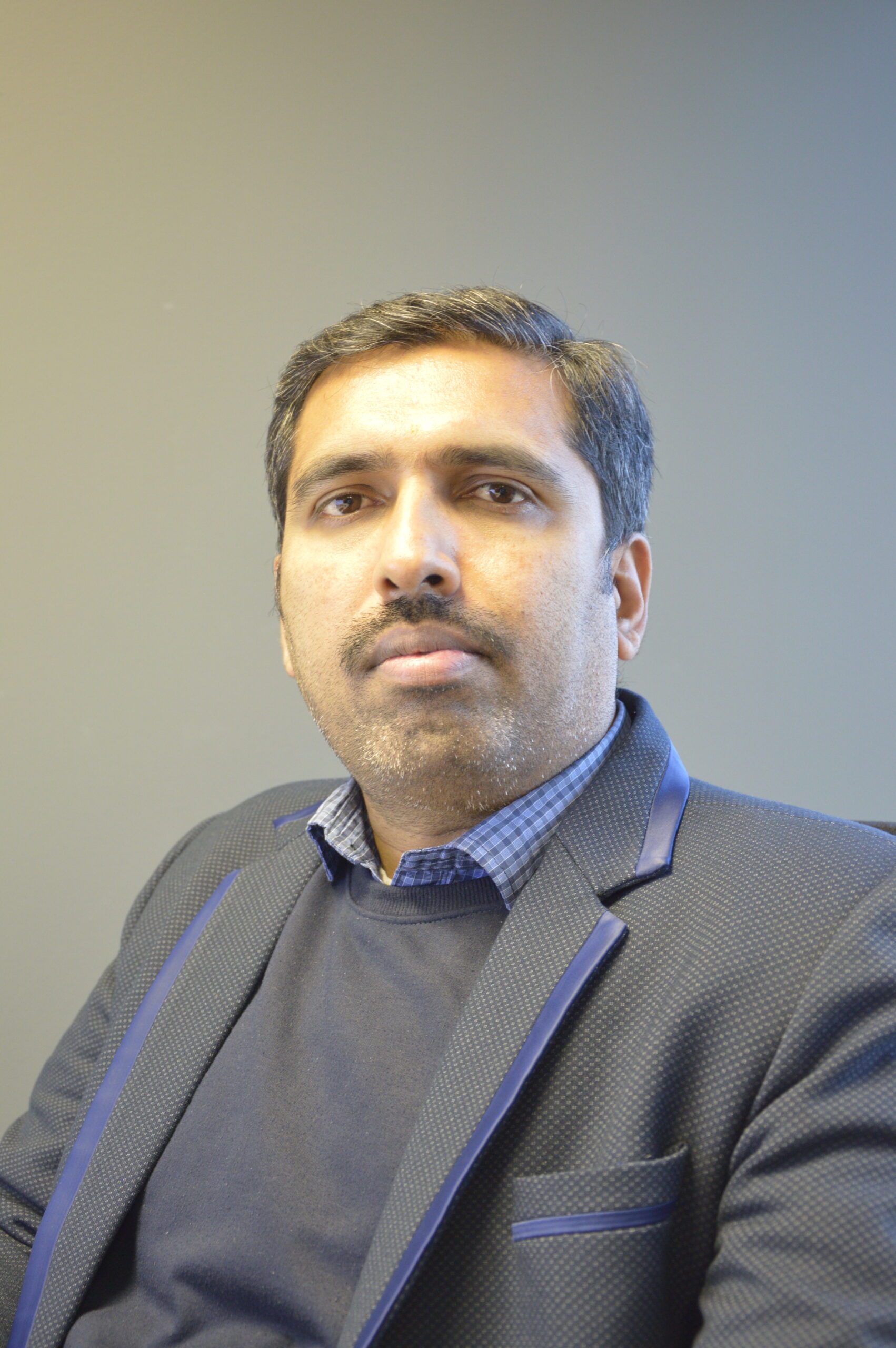
Anil Kumar M R
Post-doc
Delphine Canion
Technician
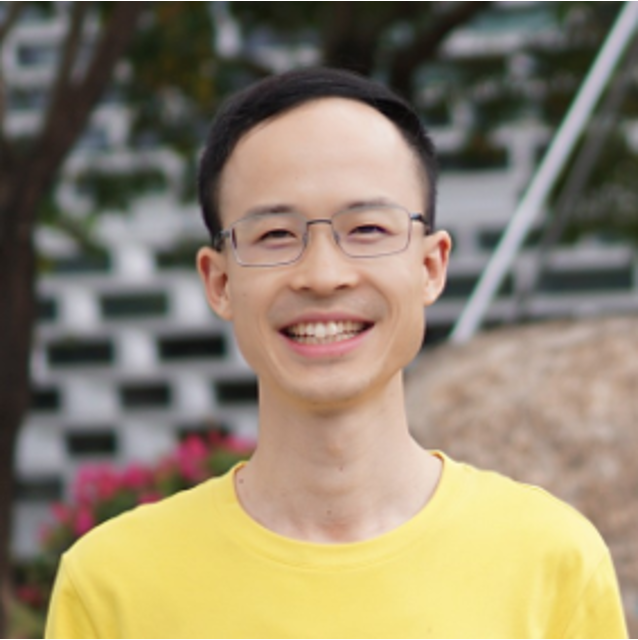
Hucheng Li
Post-doc
Jacob Jurkovic
Technician

Jeremy Dawkins
C2ET Manager
Jitendrasingh Rajpurohit
Research Associate
Rajesh Dhanushkotti
Post-doc
Salah Eddine Berrabah
Post-doc
Thiago Selva
Research Associate
Anil Kumar M R
Dr. Anil Kumar is a Postdoctoral Researcher focusing on advanced energy storage systems. He earned his Ph.D. in Chemistry from Visvesvaraya Technological University, India, and has over 12 years of academic and research experience as an Assistant Professor at the East West Institute of Technology, Bangalore, India. His research expertise spans materials science for supercapacitors, batteries, and sensor applications. Dr. Kumar has published over 100 peer-reviewed papers in reputed international journals, authored 6 books, contributed to 8 book chapters, and holds 2 Indian patents. He also serves as a reviewer and editorial board member for several international journals and has been actively involved in various academic committees, including institutional inspection boards and examination panels. His research interests include nanoscience, materials chemistry, and lithium-ion and beyond-lithium battery technologies. He currently collaborates with Ph.D. and master’s students on the design of next-generation materials for high-performance energy storage systems.
Delphine Canion
Delphine obtained her Bachelor’s degree in Physical Measurements with a specialization in nuclear fuel chemistry in France (2016). She began her career as a laboratory technician in the nuclear energy sector before transitioning to the field of energy storage. Over the past five years, she has focused on battery technologies, contributing to projects on solid-state batteries at SCE France (a Hydro-Québec subsidiary), zinc–air systems at ZNR Batteries (an EDF subsidiary), and graphite electrode optimization for fast-charging applications at Automotive Cells Company (ACC). She is currently collaborating with Zaghib’s Lab, where she leverages her industrial experience to enhance laboratory operations and support high-quality research outcomes in advanced battery technologies.
Hucheng Li
Hucheng Li obtained his Ph.D. degree in 2022 in Materials Science and Engineering from Institute of Metal Research, Chinese Academy of Sciences. During the doctoral program, he was dedicated to developing advanced electrode materials for micro-supercapacitors. He then joined Southern University of Science and Technology as a postdoctoral researcher for electrolyte design for aqueous zinc batteries, from 2022 to 2024. Hucheng Li is currently a postdoctoral fellow at Concordia University starting in 2025, co-supervised by Prof. Xia Li and Prof. Karim Zaghib.
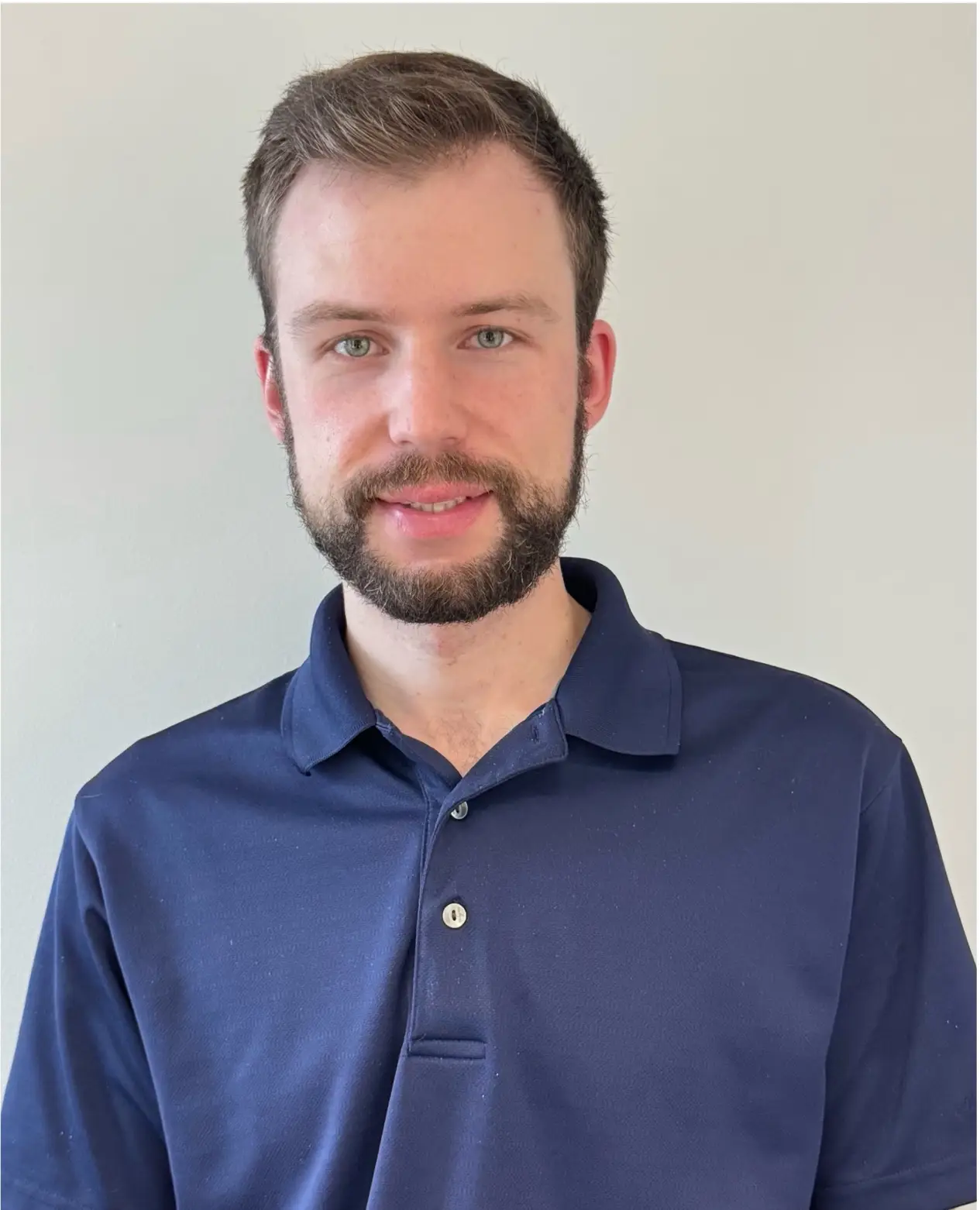
Jacob Jurkovic
Jacob obtained his Master’s degree in Chemical Engineering with a specialization in battery technology from the University of Ottawa in 2022. Over the past three years, he has focused on the development of lithium-metal batteries and advanced charging algorithms, making major contributions to the laboratories at GBatteries Energy in Ottawa. He is currently working with Zaghib’s Lab at the C2ET, where he applies his experience in implementing new equipment and training operators to establish good operating practices and ensure high-quality laboratory results.
Jeremy Dawkins
Jeremy completed his Ph.D. in Chemistry at McGill University, where he studied Li⁺ mass transport in lithium-ion batteries. After spending two years in industry with GBatteries, he joined Zaghib’s Lab as a Research Associate. In this role, Jeremy helps manage lab operations and collaborates closely with students to advance their research objectives in energy storage and electrochemical systems.
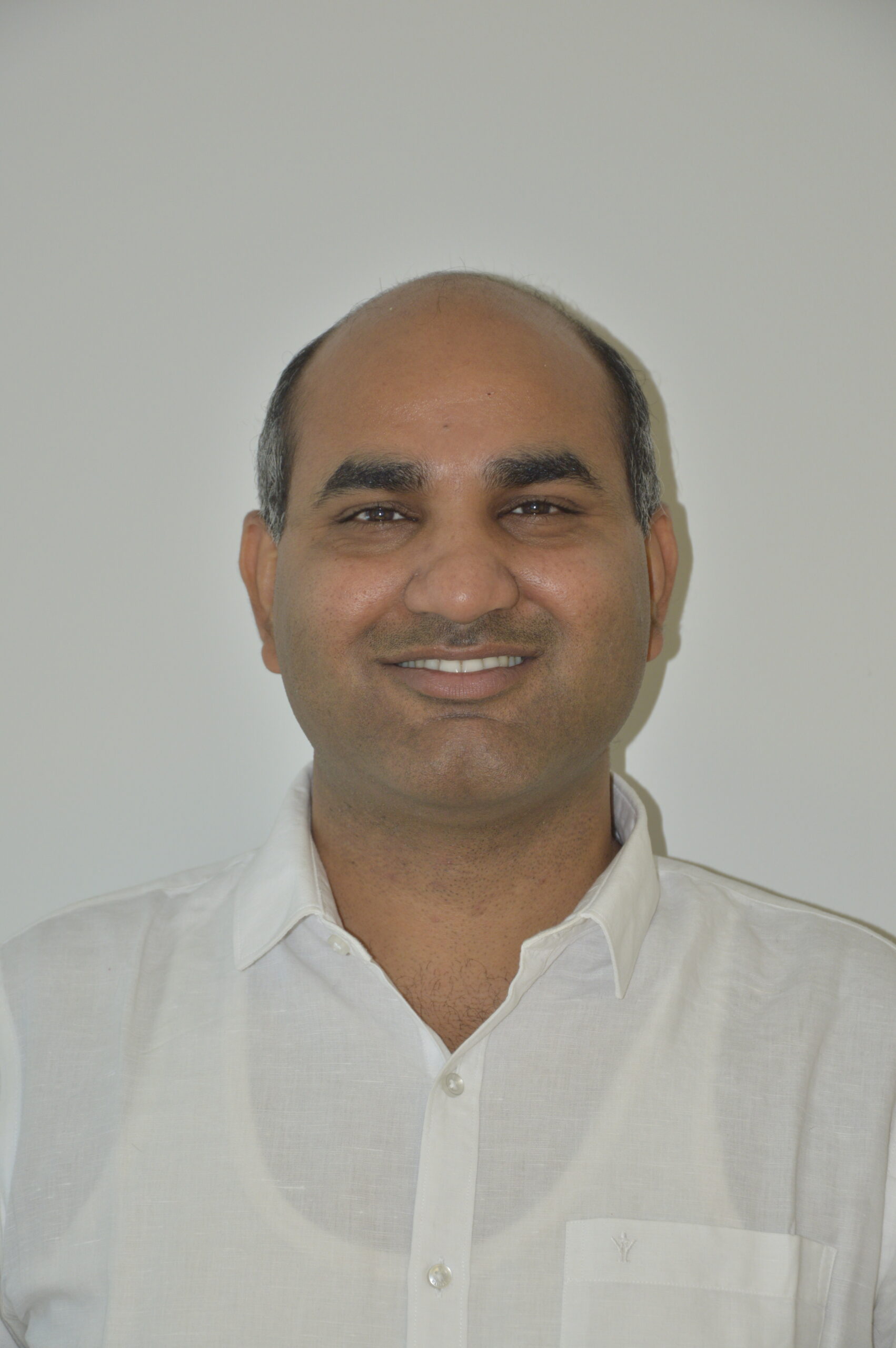
Jitendrasingh Rajpurohit
Jitendra completed his Ph.D. in Chemistry at IIT Bombay, India, followed by postdoctoral research at Tel Aviv University, Université Laval/Hydro-Québec, and the University of Calgary. Specializing in energy storage and sustainability-related projects, he currently works as a Research Associate at Zaghib’s Lab, jointly collaborating with Prof. Michel Trudeau. He is now collaborating with Ph.D. and master’s students on graphite-related research projects for advanced energy storage applications.
Rajesh Dhanushkotti
Dr. Rajesh Dhanushkotti is a Postdoctoral Fellow whose research focuses on advanced energy storage systems, with particular emphasis on solid-state lithium batteries, functional electrolytes, and electrodes with porous framework materials engineered to enhance ionic transport, interfacial stability, and overall electrochemical performance. He earned his Ph.D. in Chemistry from Anna University, Chennai, India, where his doctoral research concentrated on the development of nanocomposite electrocatalysts for fuel cell applications. Following his Ph.D., he served as a Senior Project Associate at CSIR-CECRI, Chennai, India, and subsequently as a Postdoctoral Fellow in the Department of Chemistry at Khalifa University, Abu Dhabi, UAE. Dr. Dhanushkotti’s research interests encompass synthesizing and characterizing nanostructured 2D materials and porous materials for resource recovery, energy storage, and conversion devices. He has published several research articles in reputable international journals and continues to contribute to the advancement of sustainable, high-performance energy storage systems.
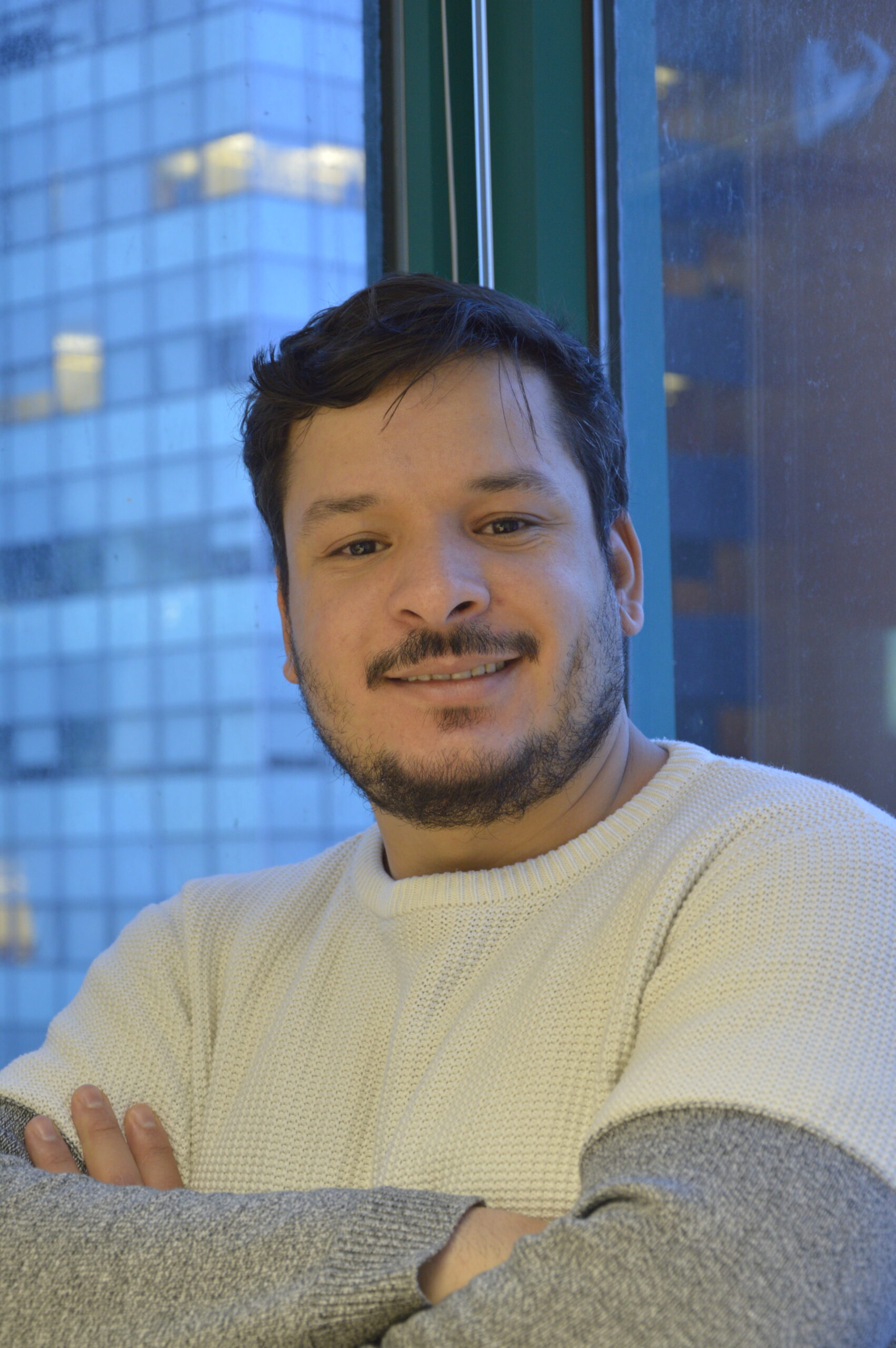
Salah Eddine Berrabah
Dr. Salah Eddine obtained his Ph.D. in Chemistry and Physics of Inorganic Materials from USTHB University of Algiers, Algeria. His early research focused on developing modified electrodes as sensors and catalysts for the electrochemical detection and remediation of inorganic and organic pollutants, as well as for energy storage applications, particularly supercapacitors. He later served as a Senior Researcher at the Research Center in Industrial Technologies (CRTI) in Chéraga, Algeria, and as a Senior Lecturer at USTHB University. Throughout his career, he has authored several research papers, served as a reviewer for Elsevier and Springer journals, and holds an Algerian patent. He recently joined Zaghib’s Lab as a Postdoctoral Fellow, where he focuses on ultra-high energy density and fast-charging lithium rechargeable batteries for the electrification of society, while also collaborating with colleagues to advance the group’s research objectives.
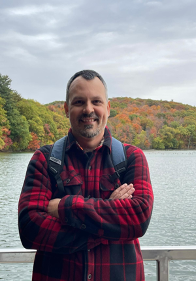
Thiago Selva
Thiago obtained my Ph.D. in Science (Chemistry) from the University of São Paulo, Brazil, in 2017, where I developed boron-doped diamond (BDD) electrochemical sensors for pesticide analysis. He served as a professor at the Federal Institute of Pernambuco (2010–2019) and later at the Federal Institute of Rio de Janeiro (2019–2022). From 2022 to 2024, he was a visiting professor in Prof. Mauzeroll’s group in the Department of Chemistry at McGill University later he joined Dr. Zaghib’s group at Concordia University in February 2025, where he help manage the laboratory and work with students to advance their research goals.
Students
Abderrahim Laggoune
Master Student
Amirreza Aghili Mehrizi
PhD Student
Atiyeh Nekahi
PhD Student
Chaker Ikhlef
PhD Student

Ebrahim Feyzi
PhD Student
Gary Vegh
PhD Student
Gokul Parthasarathy
Master Student
Imane Bahaj
PhD Student
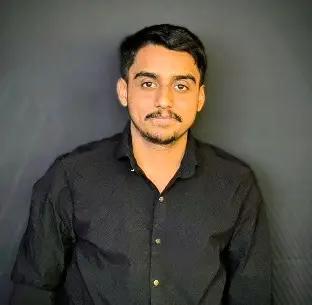
Karthik Vishweswariah
PhD Student
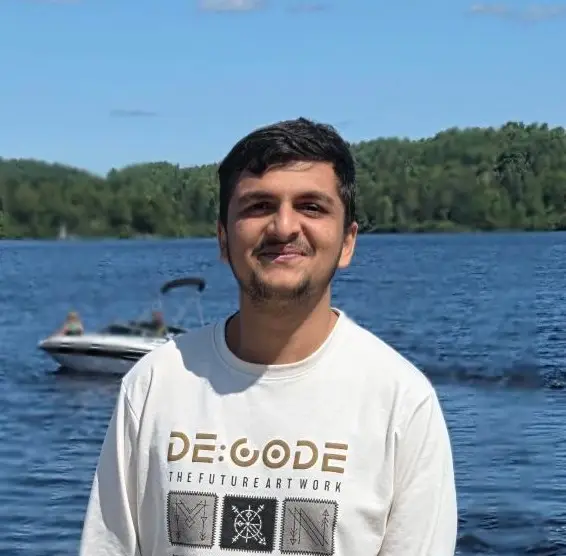
Keerthan Nagendra
PhD Student
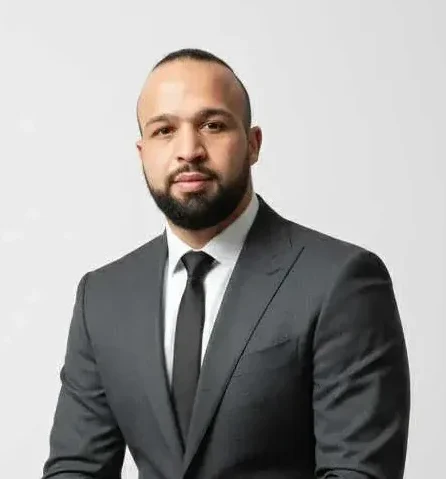
Khaled Mekdour
PhD Student
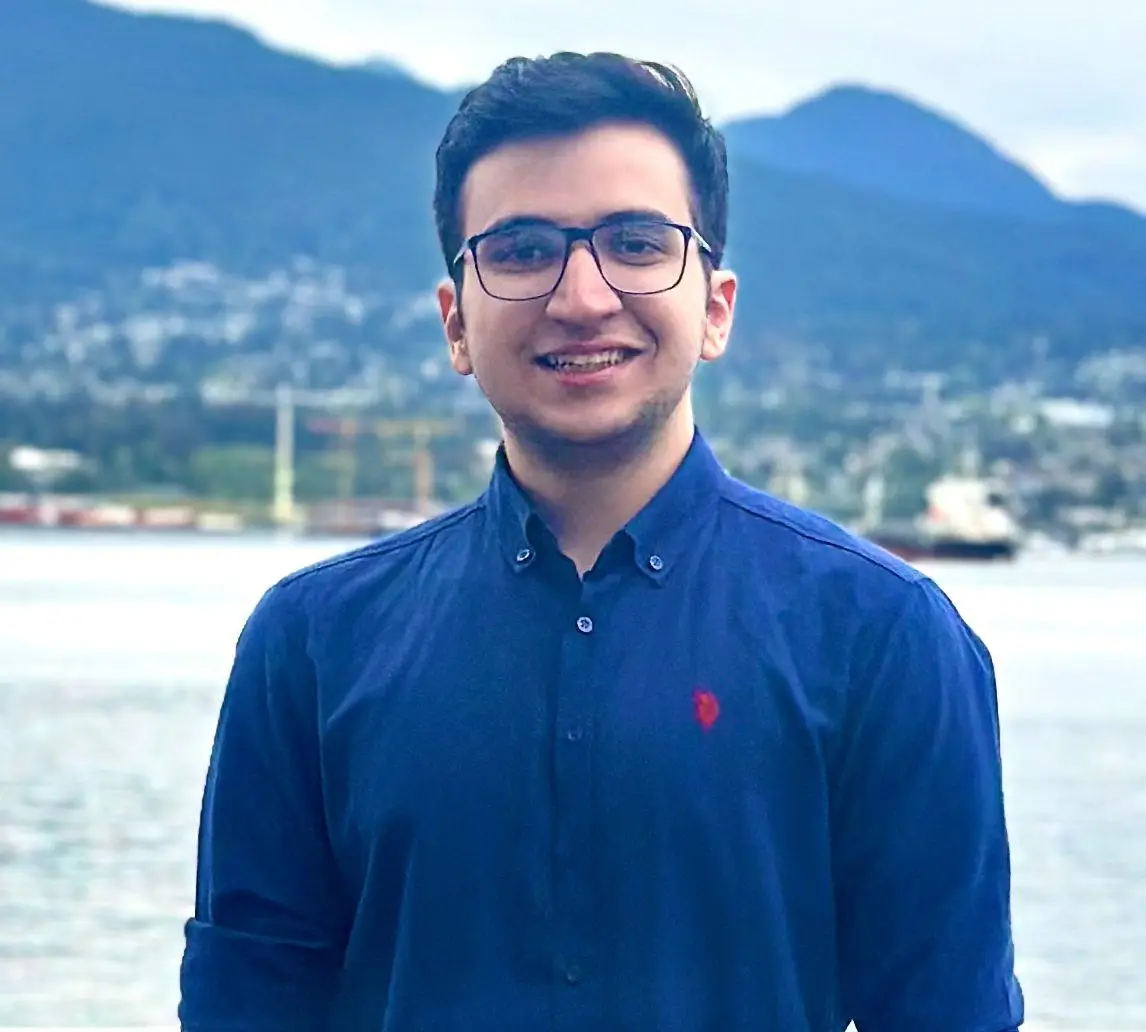
Koorosh Nikgoftar
Master Student
Manel Taferguennit
PhD Student
Mehrdad Dorri
Master Student
Mina Rezaei
PhD Student
Mohamed Djihad Bouguern
PhD Student
Ningaraju Ningappa
PhD Student
Rashmi Mishra
PhD student
Roh Ullah
PhD Student

Sabbir Ahmed
Master Student
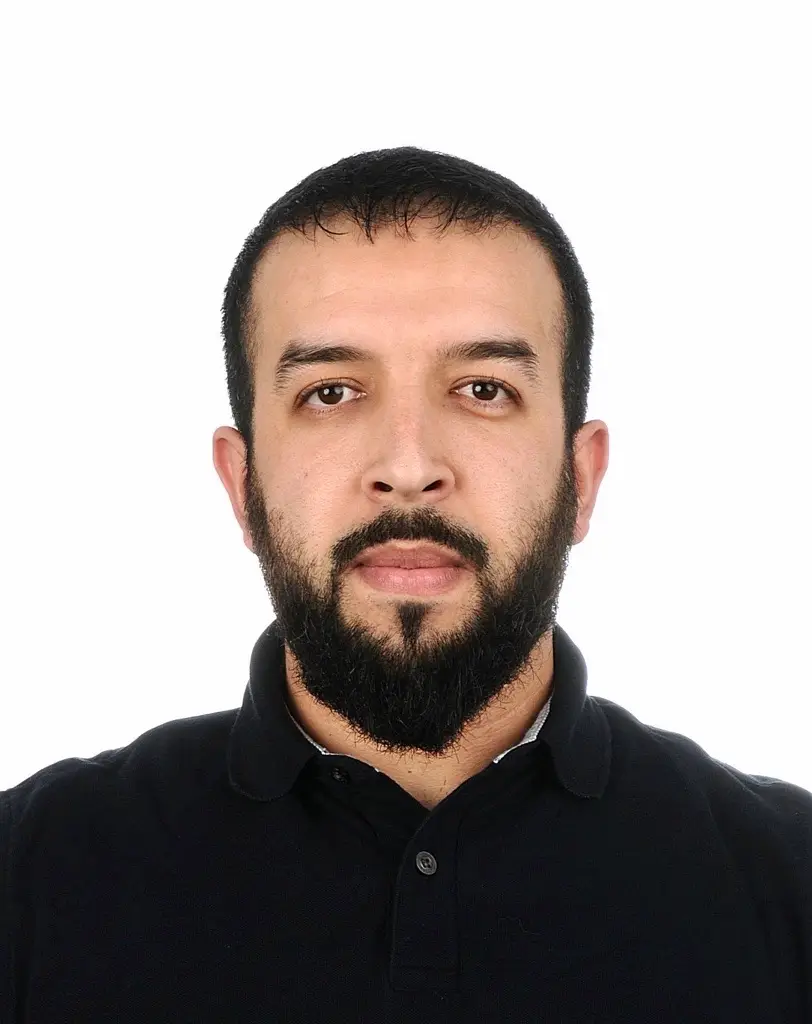
Abderrahim Laggoune
Abderrahim earned his Master’s degree in Science and Technology from Algeria, specializing in Hydraulic Engineering, and is currently pursuing a Master of Applied Science (M.A.Sc.) at Zaghib’s Lab. He joined the lab in 2025, and his research focuses on advanced energy storage materials, particularly titanium-based anode components for ultra-fast-charging lithium-ion batteries. His work explores the structural, electrochemical, and sustainability aspects of next-generation battery materials, contributing to the development of high-performance and environmentally responsible energy storage technologies.
Amirreza Aghili Mehrizi
Amirreza obtained his Master’s degree in Chemical Engineering, with a focus on green energy production. He gained industrial experience through university–industry joint projects and worked as an R&D Specialist at the Chadormalu Mining and Industrial Company (CMIC) in Iran. During this time, he contributed to process design and optimization, materials selection and characterization, green steel production, and waste-to-energy initiatives. Building on this industrial foundation, Amirreza joined Zaghib’s Lab at Volt-Age in 2024 to pursue his Ph.D., where his research focuses on the design and development of advanced materials for fast-charging lithium-ion batteries. His work aims to utilize Canada’s natural resources to address key challenges related to electric vehicle charging time and driving range, supporting the advancement of sustainable mobility technologies.
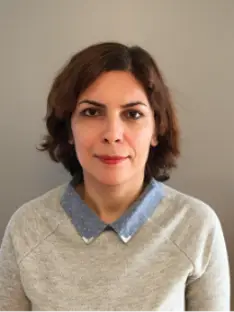
Atiyeh Nekahi
Atiyeh Nekahi earned her first Ph.D. in Materials Science and Engineering from the Amirkabir University of Technology (Tehran Polytechnic), where her research focused on graphene-based hybrid nanomaterials. Following her doctoral studies, she collaborated with several universities and research institutions on both academic and industrial projects. She also worked as an R&D Specialist at an iron ore mining company in Iran, where she focused on optimizing iron extraction and beneficiation processes. Building on this industrial experience, she returned to academia and joined Zaghib’s Lab in 2023 to pursue a second Ph.D., where her research focuses on advanced materials for lithium-ion batteries and next-generation energy storage systems.
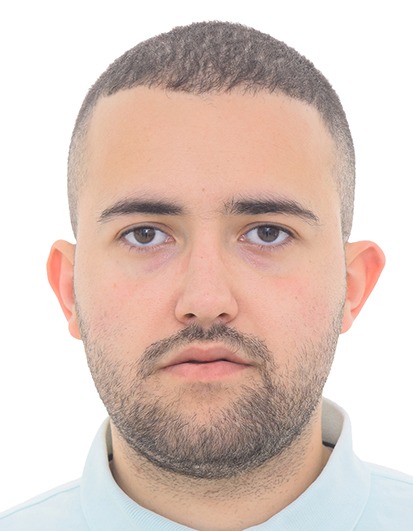
Chaker Ikhlef
Chaker is a PhD student who completed his Master’s degree in Materials Science with a specialization in polymer materials, where he developed a strong foundation in polymer chemistry and functional materials. He began his PhD studies in 2026. His research focuses on lithium-ion batteries, with particular emphasis on water-soluble polymer binders for graphite anodes aimed at improving electrode stability and electrochemical performance. His research interests include polymer science, electrochemistry, and sustainable energy storage technologies for advanced battery systems and future industrial applications.
Ebrahim Feyzi
Ebrahim holds two Master’s degrees, one in Chemistry from the University of Bordeaux, France, and another in Materials Science from Technische Universität Darmstadt, Germany. Alongside his scientific work, Ebrahim has served as a graphical illustrator, specializing in visual communication for scientific research and publications. He joined Zaghib’s Lab in 2023 and is currently pursuing his Ph.D. in Chemical Engineering at Concordia University under the supervision of Prof. Karim Zaghib. His doctoral research focuses on silicon anodes for high-energy-density lithium-ion batteries, aiming to enhance energy capacity, stability, and scalability through innovative material design and processing.
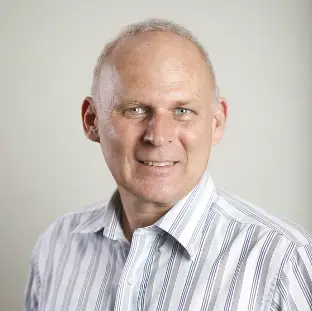
Gary Vegh
Gary Vegh is a PhD student in the lithium-ion battery research group supervised by world renown battery expert; Dr. Karim Zaghib. Vegh has over 35 years of environmental experience as co-CEO of an environmental software company that works with over thirty industries, including automotive. Mr. Vegh works with the Responsible Battery Work Group that evaluates environmental issues for EV batteries for leading OEM’s such as General Motors, Toyota, Honda, Stellantis, and Ford Motor Company.
Vegh earned a Bachelor of Science Specialization in Chemistry ’88 and a Graduate Diploma in Ecotoxicology ‘90; Concordia University.
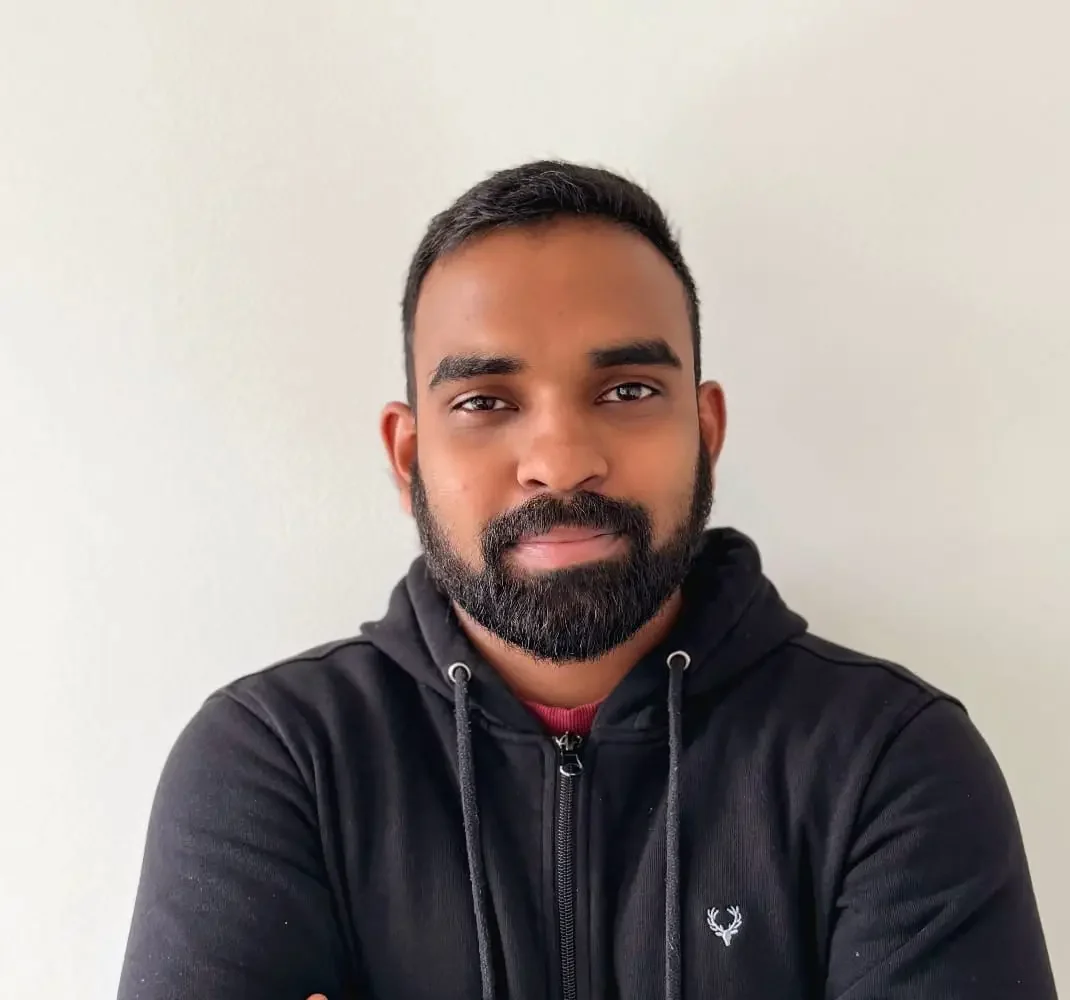
Gokul Parthasarathy
Gokul Parthasarathy is pursuing his Master’s in Chemical and Materials Engineering at Concordia University, working in Prof. Karim Zaghib’s lab under the co-supervision of Dr. Sixu Deng as a part of the Volt-age program. His research focuses on developing practical and scalable lithium-metal anode technologies for next-generation batteries.
He earned his B.Tech. in Chemical and Electrochemical Engineering from CSIR–CECRI, India, where he designed advanced electrocatalysts for the oxygen reduction reaction (ORR) and investigated lithium titanate (LTO) anode architectures. He also gained hands-on end-to-end industrial experience at Gegadyne Energies Pvt. Ltd., Mumbai, India, as part of R&D, Quality Assurance (QA), and pilot-scale sodium-ion battery production. Bridging academic research and industrial application, his work aims to accelerate the commercialization of safe, cost-effective, high-energy, ultra-fast-charging batteries.
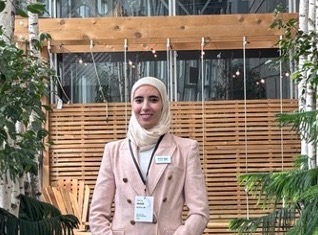
Imane Bahaj
Imane earned her first Ph.D. in Physical Chemistry, specializing in Process and Materials Engineering, from the University of Hassan First in Morocco. Her doctoral research focused on the thermodynamics of aluminum matrix composite elaboration and its effects on the physical, chemical, mechanical, thermal, and electrochemical properties of materials. She also gained five years of experience in academic teaching. Following her Ph.D., she contributed to an industrial project with ENEDIS, focusing on electrical pole repairs during her postdoctoral research internship in Materials Engineering and Energy Efficiency at Gustave Eiffel University in ESTP Paris, France. Building on her combined academic and industrial experience, Imane joined Zaghib’s Lab at Volt-Age in 2024 to pursue a second Ph.D., where her research focuses on designing novel electrolyte salts for lithium-ion batteries and next-generation energy storage systems.
Karthik Vishweswariah
Karthik Vishweswariah is currently engaged as a doctoral researcher at Concordia University, where his research endeavors encompass advanced energy storage systems. He acquired his Master of Science in Chemistry from JSS Science and Technology University (JSSSTU), India, in 2023. His research primarily focuses on the development of ionic liquid electrolytes for lithium metal and lithium-ion batteries, with the objective of enhancing their safety and performance metrics. Karthik has contributed to the academic discourse through publications detailing ionic liquid electrolytes for lithium-ion batteries (2024) and investigations into lead complexes as energy storage devices utilizing Quantum Theory of Atoms in Molecules (QTAIM) studies (2023). His scholarly work addresses significant challenges associated with lithium-ion transport mechanisms and electrolyte stability, thereby advancing the field of more efficient and sustainable battery technologies.
Keerthan Nagendra
Keerthan is a Doctoral student who joined Zaghib’s Lab in 2025, working on the development of new organic additives for electrolytes in lithium-ion batteries. His research focuses on designing and synthesizing multifunctional organic molecules that stabilize the solid electrolyte interphase (SEI) and enhance the electrochemical performance of graphite anodes. Before starting his doctoral program, he gained valuable experience in heterogeneous catalysis and synthetic organic chemistry as a Research Assistant at Jain University, Karnataka, India, where he worked on catalyst design, reaction optimization, and mechanistic studies for sustainable chemical transformations. His interdisciplinary expertise in catalysis, organic synthesis, and electrochemistry supports his goal of advancing next-generation energy storage materials through rational additive design.
Khaled Mekdour
Khaled is a Ph.D. student focusing on advanced lithium-ion battery cell design and manufacturing innovation. He obtained his Master’s degree in Numerical Modeling in Mechanics from Algeria, where he developed a strong foundation in computational mechanics and design simulation. He joined Zaghib’s Lab in 2025, and his research focuses on developing next-generation cell architectures that enhance performance, safety, and sustainability through novel structural designs, thermal–mechanical optimization, and advanced electrode systems. Building on this background, Khaled integrates mechanical modeling, materials science, and electrochemical engineering to develop innovative approaches to battery cell design and manufacturing, bridging academic research with industrial application.
Koorosh Nikgoftar
Koorosh Nikgoftar completed his Bachelor of Science with a specialization in Chemistry at Concordia University. He is currently pursuing his Master’s degree in Chemical Engineering under the supervision of Professor Karim Zaghib. His research focuses on optimizing small-particle natural graphite for lithium-ion batteries and purifying flake natural graphite to achieve the highest degree of purity. Outside the lab, Koorosh enjoys hiking, going to the gym, and — above all — a good cup of coffee. He swears the best research ideas come somewhere between a heavy workout and his third espresso.
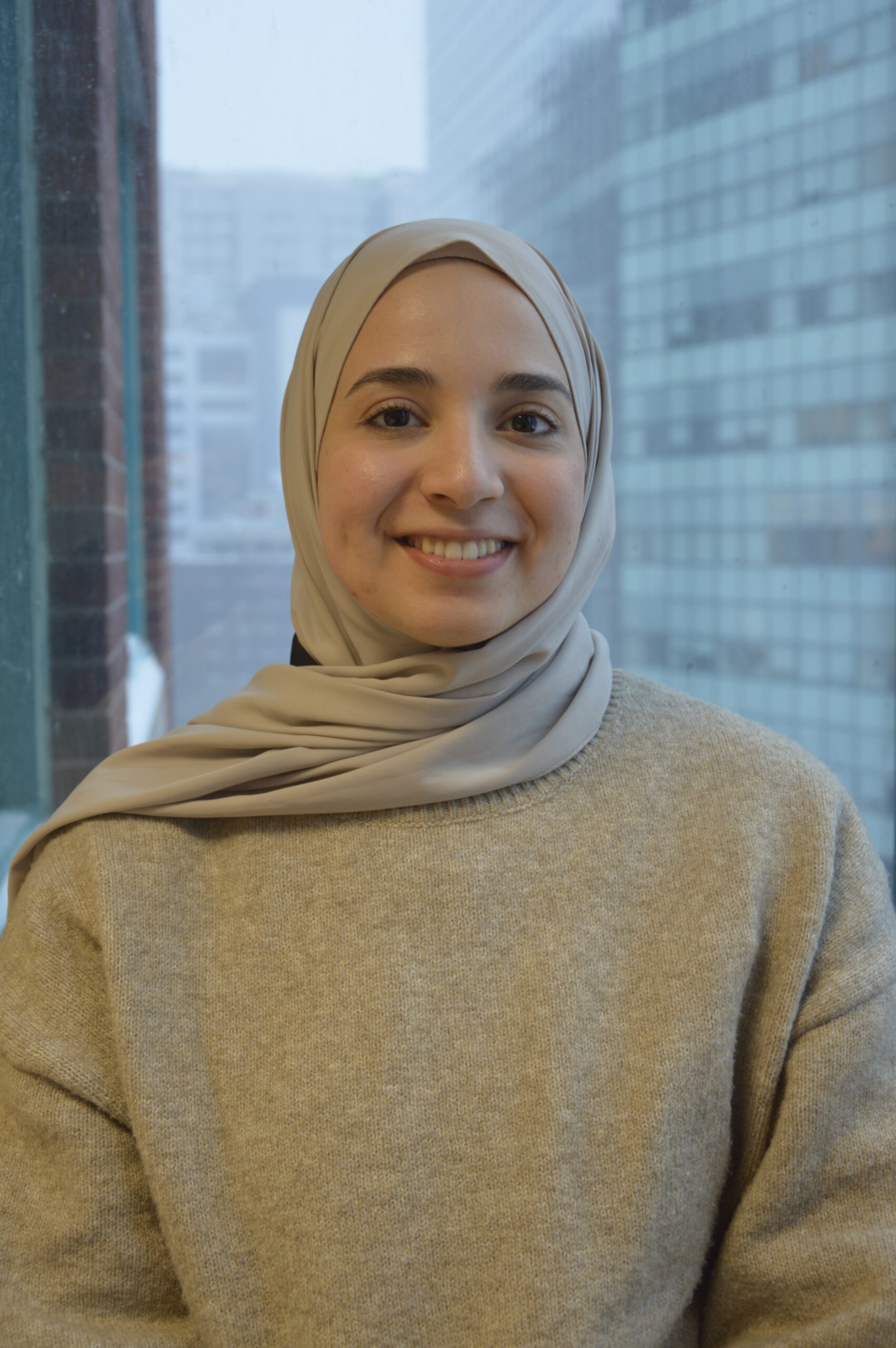
Manel Taferguennit
Manel Taferguennit is a Ph.D. student in Chemical Engineering at Concordia University, working within the Voltage Research Group under Professor Karim Zaghib. Her research focuses on electrochemical energy storage, with an emphasis on lithium-based rechargeable batteries. Prior to Concordia, she served as a doctoral researcher and teaching fellow at U.S.T.H.B. in Algiers, combining hands-on chemistry instruction with research in inorganic and materials chemistry. She also gained professional experience as a chemical engineer at the Algerian Energy Company.
Mehrdad Dorri
Mehrdad is a materials scientist and chemical engineer currently pursuing his second Master’s degree. He earned his first M.Sc. in Materials Science and Engineering from the University of Tehran, Iran, where he investigated MnCo₂O₄ as an anode for lithium-ion batteries and as an electrocatalyst for zinc–air systems. He joined Zaghib’s Lab in 2024, where his research focuses on developing a green and sustainable production process from mine to Fe- and P-based precursors for LiFePO₄ cathode materials. His work integrates synthesis, process optimization, and environmental data analysis to establish an eco-efficient and traceable pathway for battery manufacturing. Mehrdad has over two years of experience as a field-emission scanning electron microscopy (FESEM) operator and researcher, and he co-founded E-MAT, a startup focused on developing scalable NMC532 cathode materials for electric vehicle applications.
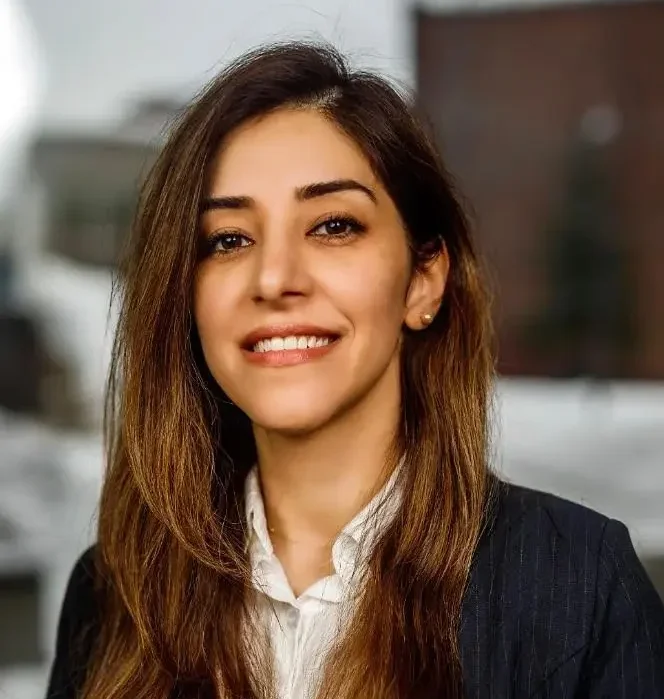
Mina Rezaei
I hold a bachelor's and a master's degree in chemical engineering from Iran, as well as a master's degree in mechanical engineering from Concordia University in Canada. I am currently in the second year of my PhD program in chemical engineering, where my research focuses on recycling lithium-ion batteries and developing pathways toward a circular economy. My goal is to create environmentally friendly and cost-effective recycling methods that recover valuable materials while reducing waste. By combining my background in both chemical and mechanical engineering, I aim to contribute to sustainable technologies that support the global transition to clean energy.
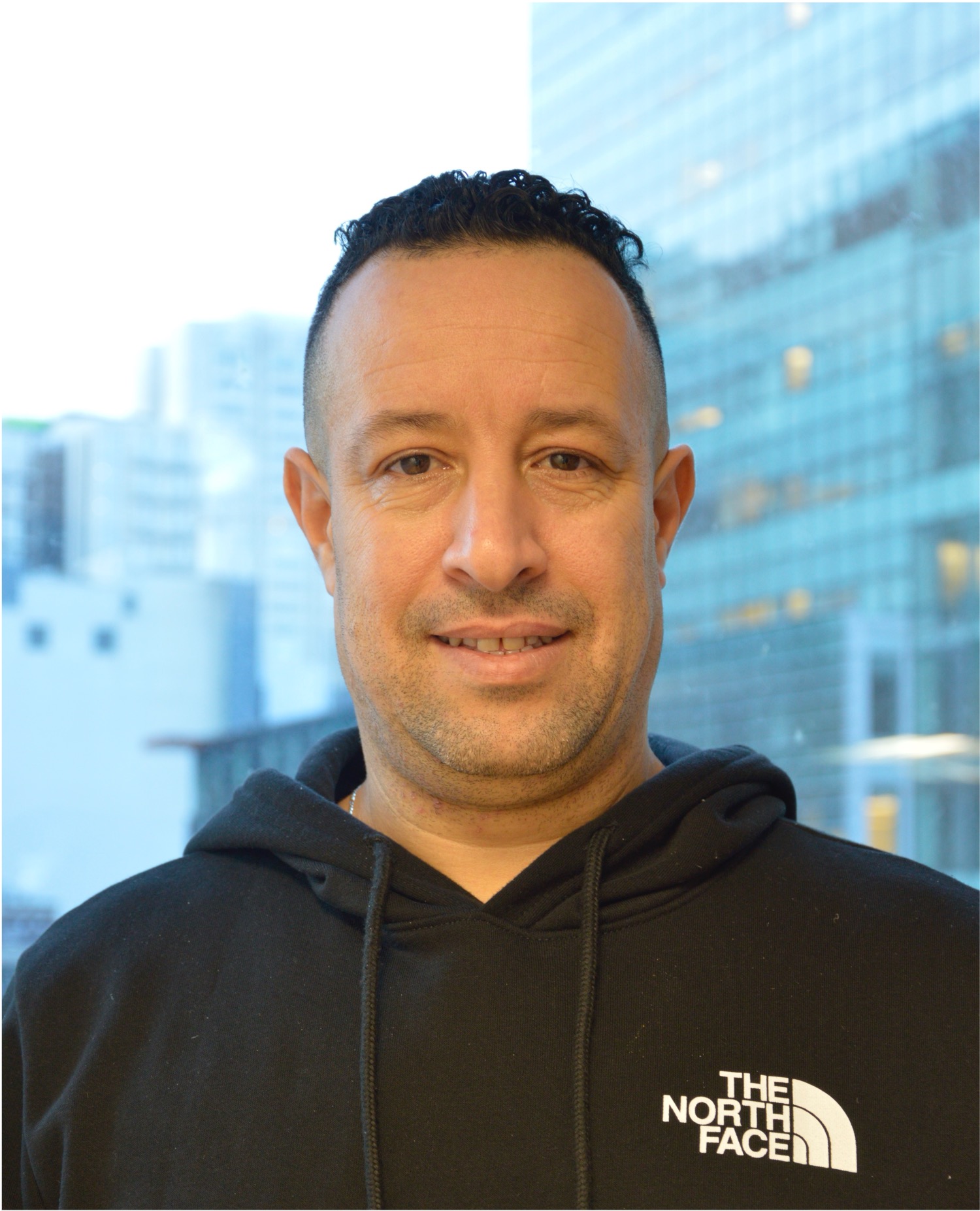
Mohamed Djihad Bouguern
Mohamed Djihad Bouguern earned his Master’s degree in Materials Chemistry (Polymers) from Algeria and joined Zaghib’s Lab in 2023 as a Ph.D. student. His research focuses on the design and optimization of dry electrode manufacturing processes for lithium-ion batteries. His work aims to develop environmentally sustainable and cost-effective electrode fabrication methods to advance next-generation energy storage systems.
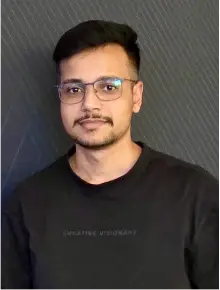
Ningaraju Ningappa
Ningaraju is a Doctoral Researcher focusing on advanced energy storage systems. He earned his Master’s degree in Chemistry (2023) at JSS Science and Technology University, India, where he gained valuable experience in organic synthesis and computational chemistry. His current research focuses on the development of polymer electrolytes, specifically single-ion conducting polymer electrolytes (SICPEs), for lithium batteries. The primary objective is to enhance the lithium-ion transference number and improve ionic conductivity, electrochemical stability, and mechanical flexibility. By designing innovative electrolyte structures, he seeks to address key challenges in ion transport and interfacial stability, thereby contributing to the advancement of safer, more efficient, and sustainable solid-state lithium batteries.
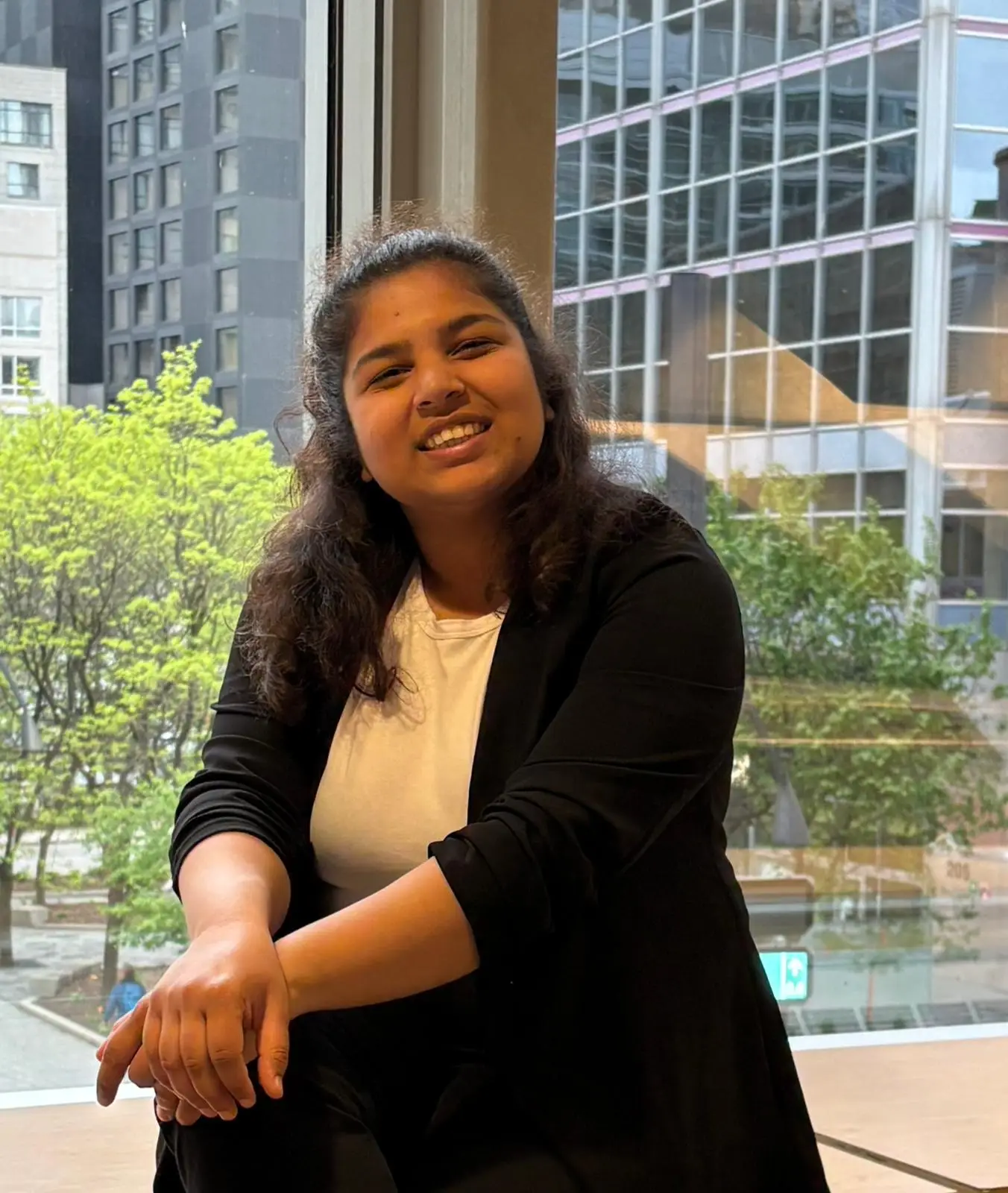
Rashmi Mishra
Rashmi completed her Master’s degree in Chemistry from the Indian Institute of Technology Ropar, India, where she worked on aqueous zinc–sulfur batteries, sparking her strong interest in electrochemical energy storage. Motivated by this passion, she joined the Department of Chemical and Materials Engineering at Concordia University to pursue her Ph.D. under the co-supervision of Prof. Karim Zaghib and Prof. Marc-Antoni Goulet. Her doctoral research focuses on developing electrolytes for aqueous sodium-ion batteries, with a particular emphasis on Water-in-Salt electrolytes. Rashmi’s work aims to advance low-cost, safe, and sustainable electrochemical energy storage systems for next-generation applications.
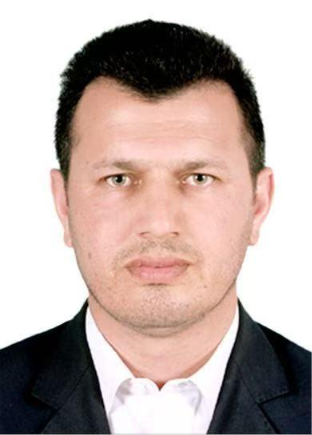
Roh Ullah
Roh Ullah is a PhD student working on advanced energy storage materials. He obtained his M.Sc. and M.Phil. degrees in Chemistry from Kohat University of Science and Technology, Pakistan, where he developed a strong foundation in materials science. His early research focused on the synthesis of π-conjugated polymers for organic electronics and the engineering of biowaste-stabilised noble metal nanoparticles for biological applications. He later gained significant expertise in electrochemistry at the Beijing Institute of Technology, where he designed and engineered high-energy-density composite anodes and cathodes for lithium and magnesium batteries. In his PhD research, he focuses on the synthesis of all-inorganic hybrid solid-state electrolytes for ultra-fast-charging batteries. His work integrates nanomaterials chemistry, electrochemical engineering, and solid-state design to enhance battery performance, safety, and charging efficiency.
Sabbir Ahmed
Sabbir Ahmed is a Graduate Researcher (M.Sc.) focusing on lithium resource development and sustainable extraction technologies. He earned his Master’s degree in Chemical Engineering from the Shahjalal University of Science and Technology, Bangladesh, and has several years of industrial experience as a process engineer in chlor-alkali plants. He joined Zaghib’s Lab in 2024, where his research explores lithium mining processes and precursors for lithium-ion battery cathode materials, with an emphasis on efficiency, selectivity, and environmental sustainability. He investigates innovative extraction techniques to address key challenges in lithium recovery and resource utilization, contributing to the development of greener and more efficient lithium production pathways.